
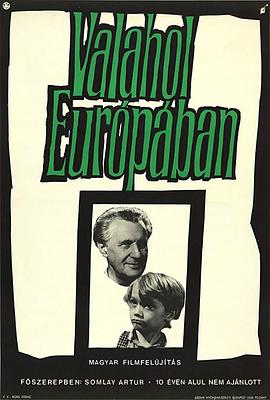
Somewhere in the remote region, the war ends. In the midst of ruined cities and houses in the street...展开s, in rural hamlets, everywhere where people still live, are children who have lost their homes and parents. Abandoned, hungry, and in rags, defenseless and humiliated, they wander through the world. Hunger drives them. Little streams of orphans merge into a river which rushes forward and submerges everything in its path. The children do not know any feeling; they know only the world of their enemies. They fight, steal, struggle for a mouthful of food, and violence is merely a means to get it. A gang led by Cahoun finds a refuge in an abandoned castle and encounters an old composer who has voluntarily retired into solitude from a world of hatred, treason, and crime. How can they find a common ground, how can they become mutual friends? The castle becomes their hiding place but possibly it will also be their first home which they may organize and must defend. But even for this, the price will be very high.To this simple story, the journalist, writer, poet, scriptwriter, movie director, and film theoretician Béla Balázs applied many years of experience. He and the director Géza Radványi created a work which opened a new postwar chapter in Hungarian film. Surprisingly, this film has not lost any of its impact over the years, especially on a profound philosophical level. That is to say, it is not merely a movie about war; it is not important in what location and in what period of time it takes place. It is a story outside of time about the joyless fate of children who pay dearly for the cruel war games of adults.At the time it was premiered, the movie was enthusiastically received by the critics. The main roles were taken by streetwise boys of a children's group who created their roles improvisationally in close contact with a few professional actors, and in the children's acting their own fresh experience of war's turmoil appears to be reflected. At the same time, their performance fits admirably into the mosaic of a very complex movie language. Balázs's influence revealed itself, above all, in the introductory sequences: an air raid on an amusement park, seen in a montage of dramatic situations evoking the last spasms of war, where, undoubtedly, we discern the influence of classical Soviet cinematography. Shooting, the boy's escape, the locomotive's wheels, the shadows of soldiers with submachine guns, the sound of a whistle—the images are linked together in abrupt sequences in which varying shots and expressive sharp sounds are emphasized. A perfectly planned screenplay avoided all elements of sentimentality, time-worn stereotypes of wronged children, romanticism and cheap simplification. The authors succeeded in bridging the perilous dramatic abyss of the metamorphosis of a children's community. Their telling of the story (the scene of pillaging, the assault on the castle, etc) independently introduced some neorealist elements which, at that time, were being propagated in Italy by De Sica, Rossellini, and other film artists. The rebukes of contemporary critics, who called attention to "formalism for its own sake" have been forgotten. The masterly art of cameraman Barnabás Hegyi gives vitality to the poetic images. His angle shots of the children, his composition of scenes in the castle interior, are a living document of the times, and underline the atmosphere and the characters of the protagonists. The success of the picture was also enhanced by the musical art of composer Dénes Buday who, in tense situations, inserted the theme of the Marseilaise into the movie's structure, as a motive of community unification, as an expression of friendship and the possibility of understanding.Valahol Europaban is the first significant postwar Hungarian film. It originated in a relaxed atmosphere, replete with joy and euphoria, and it includes these elements in order to demonstrate the strength of humanism, tolerance, and friendship. It represents a general condemnation of war anywhere in the world, in any form.收起
关联推荐
猜你喜欢
 6.4 HD中字
听摇滚乐是罪的年代,罗马尼亚青年只能在家里闭门派对,抓住稍纵即逝的放纵与自由。十七岁的安娜,得知男友将移民他方,情绪跌落低谷,不顾母亲反对,参加犯禁派对。偷偷收听西方广播,心仪电台节目却无法点唱,
6.4 HD中字
听摇滚乐是罪的年代,罗马尼亚青年只能在家里闭门派对,抓住稍纵即逝的放纵与自由。十七岁的安娜,得知男友将移民他方,情绪跌落低谷,不顾母亲反对,参加犯禁派对。偷偷收听西方广播,心仪电台节目却无法点唱,
 10.0 更新至高清
刚刚和妻子离婚的卢卡斯(麦斯·米科尔森 Mads Mikkelsen 饰)目前在一家托儿所工作,心地善良个性温和的他很快就受到了同事和孩子们的喜爱,其中,一个名叫卡拉(安妮卡·韦德科普 Annik
10.0 更新至高清
刚刚和妻子离婚的卢卡斯(麦斯·米科尔森 Mads Mikkelsen 饰)目前在一家托儿所工作,心地善良个性温和的他很快就受到了同事和孩子们的喜爱,其中,一个名叫卡拉(安妮卡·韦德科普 Annik
 HD中字
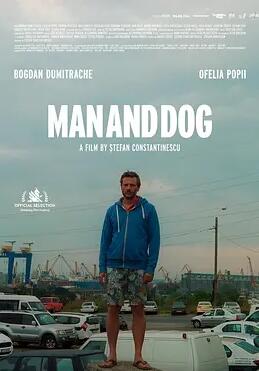
During the first days of the corona outbreak, DORU (42) returns to Romania, leaving his workplace
HD中字
During the first days of the corona outbreak, DORU (42) returns to Romania, leaving his workplace
 7.6 HD
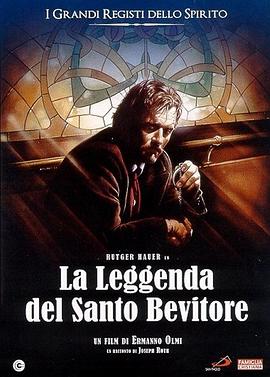
一个审查员因失手杀人而坐牢,出狱后,他流浪到巴黎。某日,一个陌生人给他200法郎,他起初不想接受这笔钱,因为知道自己还不了。陌生人告诉他,能够归还时就将钱拿到某个教堂交给“小德丽莎”(寓意修女德兰
7.6 HD
一个审查员因失手杀人而坐牢,出狱后,他流浪到巴黎。某日,一个陌生人给他200法郎,他起初不想接受这笔钱,因为知道自己还不了。陌生人告诉他,能够归还时就将钱拿到某个教堂交给“小德丽莎”(寓意修女德兰
 6.6 HD中字
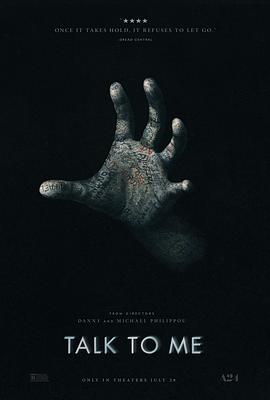
孤独的少女米娅沉迷于通过陶瓷手召唤灵魂的刺激,但当她面对一个自称是她死去母亲的灵魂时,她释放了一场超自然力量的瘟疫,并努力决定她可以信任谁,是选择活着的人还是死者?
6.6 HD中字
孤独的少女米娅沉迷于通过陶瓷手召唤灵魂的刺激,但当她面对一个自称是她死去母亲的灵魂时,她释放了一场超自然力量的瘟疫,并努力决定她可以信任谁,是选择活着的人还是死者?
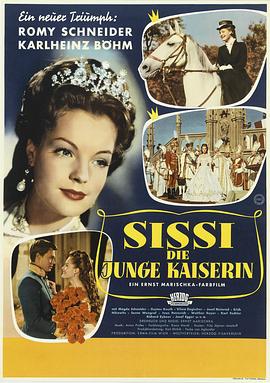 8.4 HD
维也纳盛大的皇家婚礼之后,茜茜(罗密·施奈德 Romy Schneider 饰)开始皇后的生活。她慢慢地调整自己以适应奥地利宫廷生活,但她发现与皇太后苏菲(玛达·施耐德 Magda Schneid
8.4 HD
维也纳盛大的皇家婚礼之后,茜茜(罗密·施奈德 Romy Schneider 饰)开始皇后的生活。她慢慢地调整自己以适应奥地利宫廷生活,但她发现与皇太后苏菲(玛达·施耐德 Magda Schneid
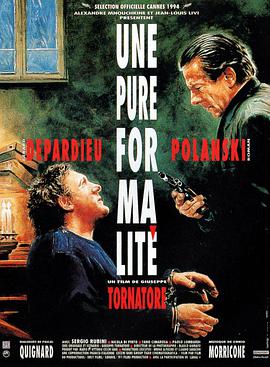 7.8 HD
隐居多年的名作家奥诺夫,因其居所附近发生命案而成为疑犯,不料盘问的警长却是奥诺夫的忠实读者,对其作品情有独钟,一些盘问变成了相逢恨晚的知己对话,一些鲜为人知的往事也被一一道出……到底奥诺夫有罪否?
7.8 HD
隐居多年的名作家奥诺夫,因其居所附近发生命案而成为疑犯,不料盘问的警长却是奥诺夫的忠实读者,对其作品情有独钟,一些盘问变成了相逢恨晚的知己对话,一些鲜为人知的往事也被一一道出……到底奥诺夫有罪否?
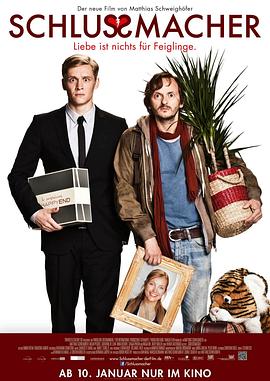 7.0 已完结
在柏林工作的年轻人保罗·沃伊特(马提亚斯·施维赫夫 Matthias Schweighöfer 饰)有一份特殊的职业——专门帮已经不想爱的两个人分手。作为专业的分手专家,公司经常派遣他去全国各地了
7.0 已完结
在柏林工作的年轻人保罗·沃伊特(马提亚斯·施维赫夫 Matthias Schweighöfer 饰)有一份特殊的职业——专门帮已经不想爱的两个人分手。作为专业的分手专家,公司经常派遣他去全国各地了
 7.0 HD中字版
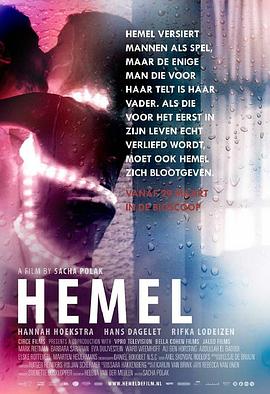
赫莫尔(汉娜·霍克斯特拉 Hannah Hoekstra 饰)是一位热情奔放的女子,她生性热爱自由,无法忍受任何的束缚。赫莫尔的母亲早早就离开了人世,父亲吉斯(汉斯·达格列特 Hans Dagel
7.0 HD中字版
赫莫尔(汉娜·霍克斯特拉 Hannah Hoekstra 饰)是一位热情奔放的女子,她生性热爱自由,无法忍受任何的束缚。赫莫尔的母亲早早就离开了人世,父亲吉斯(汉斯·达格列特 Hans Dagel